
Survival as Rebirth
Down Cemetery RoadThis thread traces how survival first feels like an inherited burden, then becomes a hard-won capacity to choose whom to protect.
increasing Bearing strength in each event
 decreasing
Bearing strength in each eventdecreasingThe Captive’s Light
The Captive’s Light
Survival without freedom
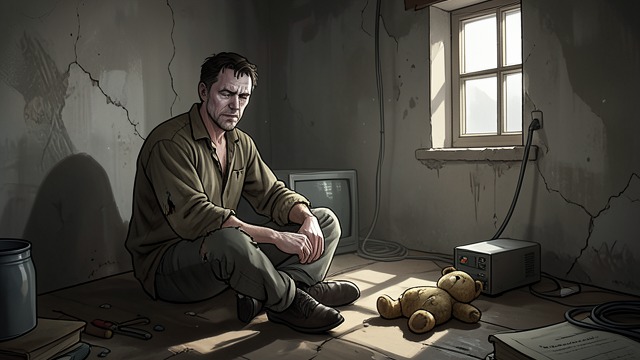
The opening captive survives pain, restraint, and recurring memories of the desert, but survival has not yet restored any control over his life. His body heals while his mind remains fixed on the boy soldiers who died beside him.
A glimpse of the world
A failed attempt to reach the window turns ordinary daylight into a hard-won revelation. England appears through the glass, but the sight offers no escape; survival begins as awareness that the world still exists beyond captivity.
A Shared Survivorhood
A Shared Survivorhood
The child in the wreckage
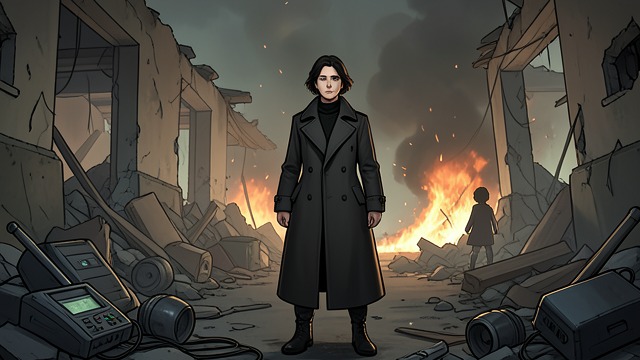
After the explosion, Sarah Trafford hears that Dinah Singleton survived because falling debris shielded her. Sarah imagines the child as another person who has passed through catastrophe and therefore feels an unexpected responsibility for what happens next.
A private bond
The connection is not founded on familiarity: Sarah scarcely knew Dinah. It grows from the conviction that survival creates a claim on care, and that a child should not be left to disappear merely because strangers have decided the matter is settled.
The Fall Recalled
The Fall Recalled
The old crisis returns
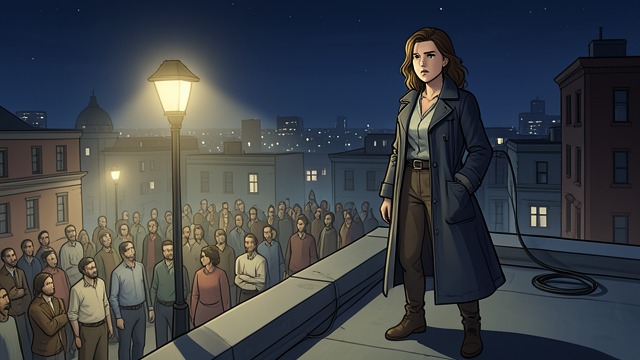
The police raid and interrogation revive Sarah’s memories of her student-era rooftop fall. Its remembered lights and impossible descent recur when she feels control slipping away, making the present crisis echo an earlier brush with death.
Survival without reassurance
Sarah once treated survival as proof that she had escaped the worst; now the memory offers no guarantee of safety. Her body endured the fall, but the renewed imagery shows how old trauma can remain active beneath an apparently ordinary life.
The Child at the Center
The Child at the Center
A fragile reunion
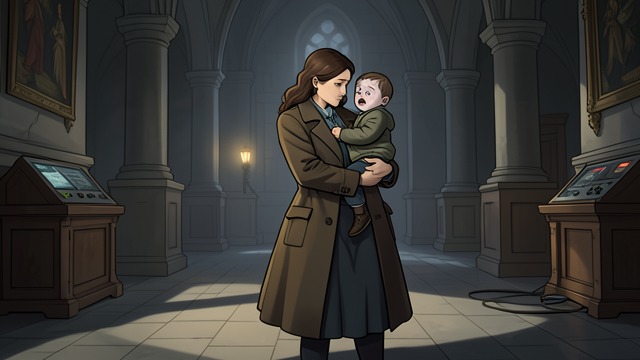
Sarah reaches the chapel and finds Michael Downey alive with Dinah Singleton. After the deaths and violence that precede the reunion, the child’s presence makes survival concrete rather than symbolic: she is frightened, dependent, and in need of ordinary care.
Choosing protection
When Sarah carries Dinah out of the chapel, survival becomes an active choice to shield someone more vulnerable. The gesture does not undo the losses, but it redirects the story from the machinery of pursuit toward a possible future for the child.
The Survivor’s Decision
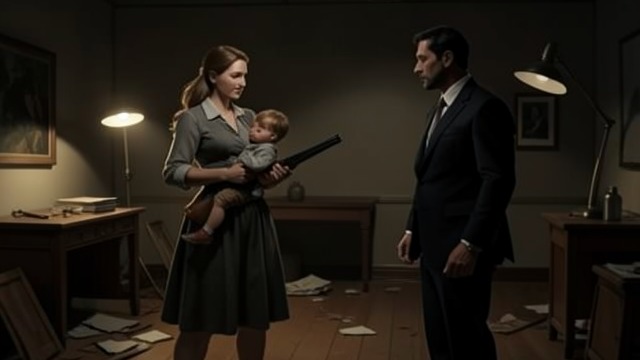
The Survivor’s Decision
Refusing the offered erasure
Howard offers Sarah a return to normal life if she accepts silence, then betrays that offer and fires. Sarah’s survival is no longer passive endurance: she has already recognized that safety purchased through submission would leave the people she cares about exposed.
A future beyond the crisis
Sarah wounds Howard with the shotgun and returns to Dinah, carrying the child away from the confrontation. Her final conviction that they are survivors does not promise an easy life; it names the resolve to continue after catastrophe and to protect another person in the process.
Before the main story, during the captive man’s confinement
Early in the story, after the Singleton house bombing
During Sarah’s arrest and the days that follow
Near the climax, during the return to the chapel
At the ending, after Sarah wounds Howard
